
What a Cast On Tells Me
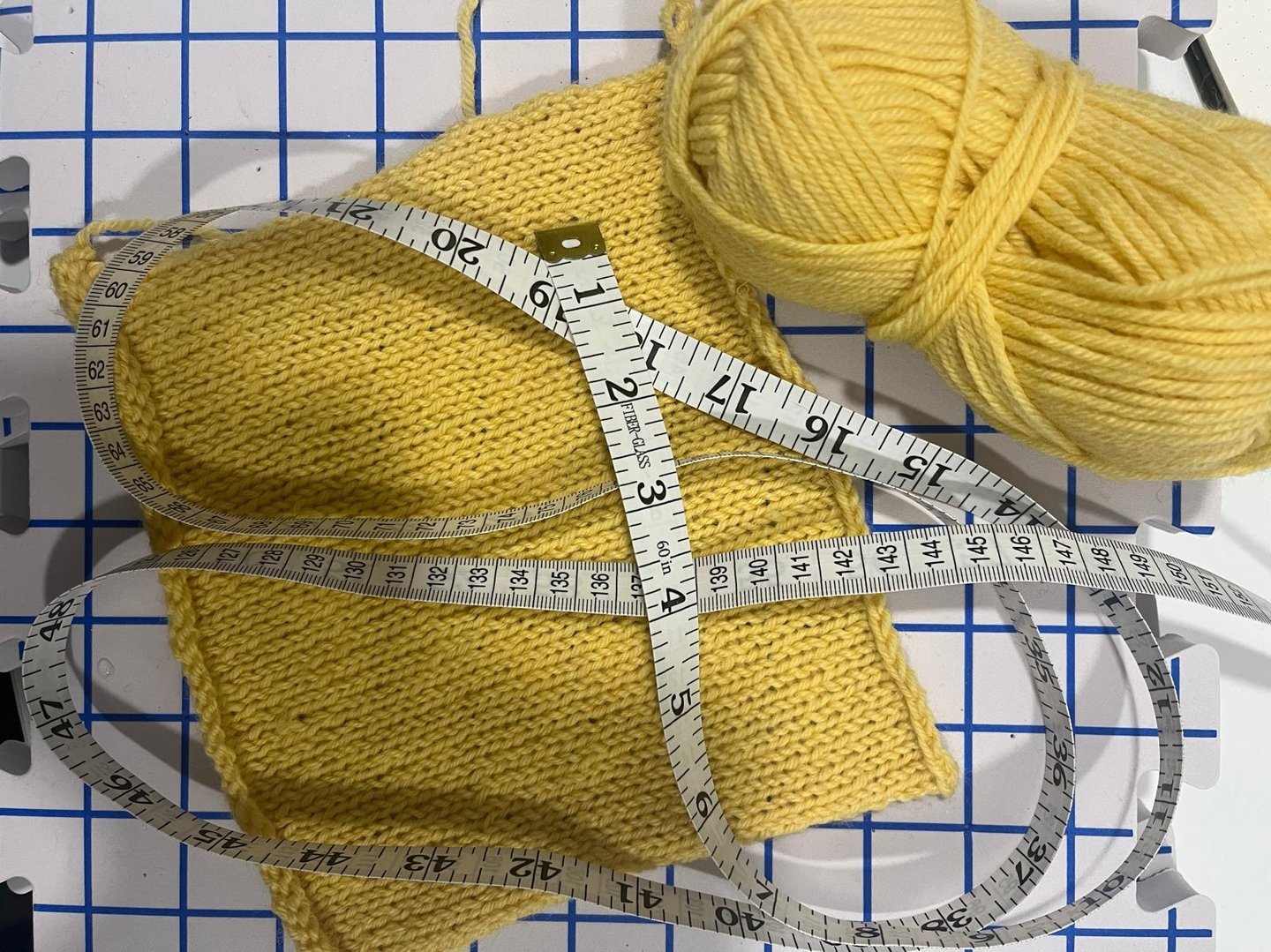
By the time I cast on, I’ve already swatched. I’ve blocked it. I’ve measured it. I’ve handled it properly. I want to know what I’m dealing with before I commit to a whole sweater.
BEGINNINGSPROJECT PLANNINGLIFE LESSONS
Nessa Hubbard
2/17/20262 min read
Purpose Before Method
I cast on in the same way almost every time.
I wrap the stitches the same way, I scoop the yarn through the same way, my hands don’t change very much. What does change is the yarn.
By the time I cast on, I’ve already swatched, I’ve blocked it, I’ve measured it and I’ve handled it properly - I want to know what I’m dealing with before I commit to a whole project.
That swatching stage isn’t about proving I can do it. It’s about getting to know the fibre.
Some yarn relaxes beautifully after blocking, some tightens up, some blooms (the fibres expand like a flower opening its petals), some behaves exactly as expected, some makes it clear it would rather be something else entirely!
When I cast on, I can already feel whether the yarn and I are going to get along.
If the yarn feels cooperative, I know the knitting will settle into rhythm quickly. If it feels stubborn or reluctant, I know I’m likely to spend weeks persuading it, and sometimes that’s not worth it.
That’s what swatching tells me.
Not whether I’m knitting correctly, not whether I chose the “best” method. but whether this yarn, in this structure, wants to become what I’ve planned.
This week I also experimented with some "double knitting" (the technique, not the yarn weight). That required a different cast on because the structure demands two colours from the beginning. I’ve been playing with a small design idea for the Cool Wool Curated Collection — nothing dramatic, just seeing what happens when two yarns sit next to each other from the very first stitch.
Even there, it’s still about the fibre.
How the colours balance, how the fabric feels, whether it holds its shape.
The cast on is small, but it’s revealing (and a two colour, long tail cast on it actually fun!)
If the yarn feels wrong at the beginning, it rarely improves later.
And if it feels right, the rest of the knitting tends to fall into place.
That’s why I don’t rush it.
Once I’ve listened to what the yarn is telling me, then I begin properly.
Nessa
Nessa Hubbard
nessa@nessahubbard.com
© 2025. All rights reserved.